If you live or run a business in Gauteng, you already know the maths. Eskom tariffs have climbed year after year. Load shedding may come and go, but the underlying instability of the grid hasn’t gone anywhere. Diesel generators are expensive to run. And every winter, the cost of keeping the lights on, the geyser hot and the office productive eats further into household budgets and business margins. That’s why solar installation Gauteng has shifted from being a luxury upgrade to one of the smartest financial decisions a property owner can make in 2026. A well-designed solar system pays for itself faster than ever, protects you from the next round of tariff hikes, and gives you genuine energy independence in a province where reliable power is no longer something you can take for granted.
At PFB Energy Group, we design and install solar solutions across Gauteng — from compact residential backup systems in Centurion to large hybrid installations on commercial properties in Midrand, Sandton and the East Rand. This guide walks you through everything you need to know about going solar in Gauteng in 2026: the system types, the components, the costs, how to pay for it and how to choose an installer who’ll still be around when you need support five years from now.
Why Solar Makes More Sense Than Ever in Gauteng
Three structural forces are driving the surge in solar systems Gauteng homeowners and businesses are installing this year.
Tariff inflation keeps outpacing general inflation. Electricity costs in South Africa have climbed faster than almost any other household expense over the past decade. Every year you delay going solar, your payback maths gets better — but you also pay another year of Eskom tariffs you didn’t need to.
Grid reliability remains uncertain. Even when load shedding is suspended, unplanned outages, substation failures and aging infrastructure mean Gauteng property owners can’t depend on uninterrupted supply. For businesses, every hour of downtime translates directly into lost revenue.
Solar technology has matured. Panel efficiency has improved, lithium battery prices have stabilised, and inverter technology from brands like Sunsynk, Victron and Deye has reached a level of reliability that simply didn’t exist five years ago. Modern systems are quieter, smarter and longer-lasting than anything that came before them.
When you combine these realities with rising property values for energy-secure homes and the operational case for solar in commercial buildings, the question is no longer whether to install solar — it’s what kind of system fits your property and your budget.
Understanding the Three Main Types of Solar Systems
Not all solar systems are built the same. Choosing the right one is the single most important decision you’ll make as a homeowner or business going solar.
1. Grid-Tied Solar Systems
A grid-tied solar system Gauteng property owners install runs in parallel with the municipal grid. Solar panels generate electricity during the day to power your home or business, and any excess can sometimes be fed back into the grid (depending on your municipality’s net-metering or feed-in tariff rules).
The advantage is cost — grid-tied systems are the cheapest to install because they don’t include batteries. The disadvantage is that they offer no protection during load shedding or grid outages. When the grid goes down, a pure grid-tied system shuts down with it.
Best for: properties where the main goal is reducing the electricity bill rather than protecting against outages, and where municipal feed-in arrangements are favourable.
2. Off-Grid Solar Systems
An off-grid solar system Gauteng property owners install operates entirely independently of Eskom. Solar panels charge a battery bank, and the battery powers everything in the home or business.
Off-grid systems offer complete energy independence but come with the highest upfront cost and require careful sizing — if your usage exceeds your generation and storage capacity, you simply run out of power.
Best for: remote properties without reliable grid access, or owners who want full independence from Eskom regardless of cost.
3. Hybrid Solar Systems
A hybrid solar system Gauteng households and businesses are choosing in the largest numbers right now combines the best of both worlds. It includes solar panels, a battery bank and a hybrid inverter that intelligently manages power between solar generation, battery storage and the grid.
During the day, solar panels power the property and charge the batteries. At night or during cloudy weather, batteries take over. If batteries run low, the system automatically draws from the grid. When load shedding hits, the system seamlessly switches to battery power without interruption.
Hybrid systems offer the best balance of cost, resilience and flexibility, which is why they have become the default choice for most residential solar systems Gauteng installers are quoting in 2026.
Best for: most homes and businesses in Gauteng. The combination of grid backup, solar savings and load shedding protection makes hybrid the right answer for the majority of properties.
The Components of a Modern Solar System
A properly designed solar system in 2026 is more than a row of panels on a roof. Here’s what actually goes into it.
Solar panels. Modern monocrystalline panels typically deliver between 450 W and 600 W per panel, with efficiencies above 20%. Quality panels carry 25-year performance warranties guaranteeing at least 80% of original output after 25 years.
Hybrid inverter. The brain of the system. Brands like LuxPower, Sunsynk, Victron, Deye and SolarMD are widely used in South Africa because they handle Eskom’s grid quirks better than imported alternatives designed for European conditions. The inverter manages solar generation, battery charging, grid interaction and load distribution.
Lithium battery storage. Modern lithium-ion (specifically LiFePO4) batteries from brands like Pylontech, Hubble, Freedom Won, BSLBatt and AlphaESS offer 6,000+ charge cycles, ten-year warranties and dramatically better safety than older lead-acid alternatives. Battery capacity is sized to your overnight and outage needs.
Mounting and racking. Often overlooked but critical for Gauteng’s hail and thunderstorm conditions. Quality mounting protects panels for decades.
Cabling, isolators and protection. Proper DC and AC cabling, surge protection, earth leakage and combiner boxes ensure the system is safe, compliant and durable.
Monitoring system. Modern installations include cloud-based monitoring so you can track production, consumption and battery state from your phone in real time.
Certification of Compliance (CoC). Any installation must be signed off by a registered electrician and issued with an electrical CoC. This is non-negotiable for insurance, resale and municipal compliance.
Who Needs Solar in Gauteng?
Solar isn’t only for environmentally conscious homeowners with deep pockets. The economics now work for almost every property type in Gauteng.
Residential homeowners typically install systems in the 5 kW to 12 kW range, with battery storage sized to power essential circuits or the whole home through the night and through load shedding. Payback periods of 4 to 7 years are common.
Townhouse and complex residents install smaller systems (3 kW to 6 kW) often combined with body corporate approval. These systems focus on essential loads and load shedding protection rather than full independence.
Small businesses and offices install commercial-scale systems (10 kW to 50 kW) sized to match their daytime consumption profile, dramatically reducing electricity bills and protecting operations during outages.
Manufacturing and industrial properties install large systems (50 kW to several MW) that fundamentally restructure their energy economics, with payback often inside 5 years and significant ongoing operational savings.
Schools, churches, retirement villages and community facilities install systems that protect critical functions and reduce long-term operating costs, often funded through donor support or specialised facility finance.
Farms and smallholdings on Gauteng’s outskirts install hybrid or off-grid systems sized to power irrigation, cold storage and homestead loads.
If you fall into any of these categories, the question isn’t whether solar makes sense — it’s how soon you can have it installed.
How Much Does Solar Cost in Gauteng in 2026?
The price of a solar installation depends on how much of the property you want to run on your own power, how much battery storage you need, and what your roof and DB board look like. These are PFB Energy Group’s current guide prices for hybrid systems in Pretoria and Gauteng, installed on standard tile or IBR roofs, including installation, DB work and the electrical Certificate of Compliance (CoC):
| System | Typical setup | Runs on your own power | Guide price (installed, incl. CoC) |
|---|---|---|---|
| 5 kW hybrid | 5 kW LuxPower hybrid inverter, 5 kWh lithium battery, 6–8 panels | Lights, Wi-Fi, TV, fridge, gate, alarm, cameras and laptops — suits townhouses and smaller homes | From R69,000 |
| 8 kW hybrid | 8 kW LuxPower hybrid inverter, 10 kWh lithium battery, 10–12 panels | Everything above plus microwave, kettle and washing machine, and a geyser or pool pump in daylight — suits family homes | From R110,000 |
| 12 kW single-phase or 15 kW three-phase | 15–30 kWh expandable battery bank, 16–24 panels | The whole property, including geysers, boreholes, pool and irrigation pumps, and home office or shop equipment | Quoted per property |
Commercial systems for offices, shops, farms and light industrial sites are designed and quoted per site after an assessment, because load profiles, three-phase supply and roof structures vary too much for a meaningful guide price.
What moves the price:
- Battery capacity — after the inverter, the biggest cost driver. More kWh means more of the evening and night runs on your own power.
- Single-phase or three-phase supply, which determines the inverter you need.
- Roof type and access — tile, IBR, flat concrete or a ground mount.
- DB board condition and cable runs between the panels, inverter and DB.
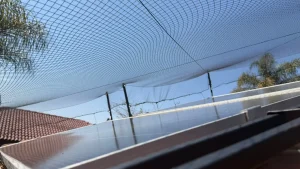
- Extras such as protective panel netting on golf estates, or adding security and water backup to the same design.
Every PFB quote is a written design with the full equipment list and a fixed price before any work starts, so you can compare quotes like for like. See the current packages on our solar installation in Pretoria and Gauteng page, or combine solar with security and water in the Independence Packages. For a real example, read our Pretoria East smallholding solar case study.
How to Pay for Solar: Buy Outright or Subscribe
PFB Energy Group offers two ways to pay for a hybrid solar system:
- Buy outright. You pay the fixed installed price, own the system from day one and keep every rand of the savings. Over the life of the system this is the lowest-cost option.
- Solar subscription. No upfront cost. You get a complete, correctly sized hybrid system — panels, inverter, lithium battery, installation and CoC — plus ongoing support for one predictable monthly fee. See how it works in our guide to solar subscriptions in Pretoria.
Businesses buying a system outright should ask their tax practitioner whether the Section 12B renewable-energy allowance applies to them. Either way, a good installer will show you the payback of each option against your own electricity bill rather than pushing one model.
Local Realities Across Gauteng
Solar exposure and conditions vary across the province more than people realise.
Johannesburg and Sandton have some of the highest solar irradiance in the country and excellent generation potential. The challenge is roof orientation in older suburbs and complex building layouts on premium properties.
Pretoria and Centurion offer slightly higher average temperatures and excellent generation, with newer suburbs typically having north-facing roofs that are ideal for solar.
East Rand and West Rand properties often have larger roof areas and simpler layouts, making them well-suited for both residential and small commercial installations.
Midrand, Kyalami and Fourways are dominated by townhouse complexes and mid-range commercial developments, where body corporate approval and aesthetic considerations matter as much as technical sizing.
Vaal Triangle and southern Gauteng properties — often industrial — represent significant commercial solar opportunity given the high daytime energy consumption profile.
Hail risk is real across the entire province, particularly during summer thunderstorm season. Quality panels, proper mounting and adequate insurance cover for the installation are essential considerations.
How to Choose the Right Solar Installer in Gauteng
The Gauteng solar market is crowded, and quality varies enormously. Here’s what we recommend you check before signing any installation quote.
Check the installer’s track record. How long have they been operating? How many systems have they installed in Gauteng specifically? Can they show you nearby reference installations?
Verify electrical compliance. The installer must use a registered electrician and issue a valid CoC on completion. Anything less is illegal, uninsurable and unsafe.
Read the warranty terms. Look for genuine workmanship guarantees (5–10 years), proper panel warranties (25 years performance) and battery warranties (10 years) backed by manufacturers with local representation.
Check the components. Insist on Tier 1 panels and reputable inverter and battery brands. Be deeply suspicious of unknown white-label products with vague specifications.
Get a proper site assessment. Any quote provided without an on-site assessment is a guess, not a quote. The installer should evaluate your roof, your consumption pattern and your load profile before sizing the system.
Compare apples to apples. A R150,000 quote and a R220,000 quote for the “same” system are usually quoting different components, different battery capacities and different workmanship standards. Make sure you’re comparing like with like.
Confirm aftercare. Who do you call when something goes wrong in year three? Will they still be there? What is the response time? These questions matter more than the headline price.
Why Gauteng Property Owners Choose PFB Energy Group
PFB Energy Group is a specialist solar installer focused on the Gauteng market. We design and install systems that fit your property, your budget and your real consumption patterns — not template systems sold on margin.
That means:
- Tailored system design for residential, complex, commercial and industrial properties.
- Quality components only — LuxPower hybrid inverters, Tier 1 solar panels and lithium battery storage from manufacturers with full local support.
- Full electrical compliance with CoC issued on completion of every installation.
- Genuine workmanship warranties backed by a local team who’ll still be here when you need support in year five.
- Two simple ways to pay — buy the system outright at a fixed price, or take a solar subscription with no upfront cost.
- Real local expertise across Johannesburg, Pretoria, Centurion, Midrand, the East Rand, the West Rand and the Vaal.
- Honest quotes with proper site assessments, transparent component lists and no surprise extras.
We built PFB Energy Group because Gauteng property owners deserve a solar partner who treats the installation as a long-term relationship — not a one-off sale.
Get a Solar Quote in Gauteng
Getting started is straightforward. Send us a copy of your most recent electricity bill and a few details about your property — location, roof type, your priorities (savings, backup, full independence) and your budget. We’ll arrange an on-site assessment, design a system that actually fits your needs, and show you whether buying outright or subscribing makes more sense for your situation. Book a free site assessment to get started.
Whether you’re a homeowner in Centurion looking for load shedding protection, a small business in Midrand wanting to cut your electricity bill, or an industrial operator in the Vaal looking at a multi-stage commercial rollout, we’ll build a solar solution that works.
In 2026, the cost of doing nothing about your electricity bill is higher than it has ever been. The cost of going solar properly, with a specialist installer who understands Gauteng, is usually less than property owners expect.
Take control of your power. Cut your bills. Beat the next tariff hike.
Get in touch with PFB Energy Group today for a personalised solar installation quote — and find out why Gauteng homeowners and businesses are choosing specialist installers over generic providers in 2026.
PFB Energy Group is a specialist solar installer serving Gauteng homes and businesses. All installations include certified electrical compliance and quality component warranties. Speak to our team for a tailored assessment of your property.