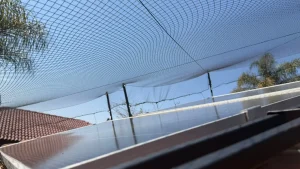
Solar energy in Gauteng has become one of the most practical solutions for homeowners and businesses facing rising electricity costs, load shedding, and grid instability.Rising electricity tariffs, persistent load shedding, and increasing pressure on the national grid have pushed homeowners and businesses alike to seek more reliable and controllable energy solutions. In a province where uninterrupted power is essential for security, productivity, and daily operations, solar energy has shifted from a “backup plan” to a long-term strategy.
For residents and businesses in Pretoria, Johannesburg, Centurion, Midrand, and surrounding areas, the decision to invest in solar is no longer just about saving money. It is about stability, resilience, and future-proofing against ongoing energy uncertainty.
This guide provides a practical, Gauteng-specific overview of solar energy — how it works, what systems are best suited to the province, and what to consider before making an investment.
Why Gauteng Is Leading Solar Adoption
Although Gauteng does not receive the highest solar irradiation levels in South Africa, it leads the country in solar adoption due to demand rather than climate alone. As the economic heart of the country, Gauteng has a dense concentration of residential estates, office parks, retail centres, and industrial facilities — all heavily dependent on consistent electricity supply.
The strain on the grid is particularly evident in high-density urban areas. Power interruptions, voltage fluctuations, and unplanned outages are not only inconvenient but costly. Businesses experience lost productivity and operational downtime, while households face security risks, connectivity issues, and disrupted daily routines.
Solar energy offers a way to reduce reliance on the grid while maintaining control over power availability, especially during peak usage and load shedding periods.
How Solar Energy Works in Gauteng Homes and Businesses
Solar energy systems generate electricity by converting sunlight into usable power through photovoltaic (PV) panels. This energy is either used immediately, stored in batteries, or supplemented by grid electricity when required.
In Gauteng, solar systems are typically designed to balance three key objectives:
- Reduce dependence on municipal electricity
- Provide backup power during outages
- Optimise long-term energy costs
Because grid access is usually available but unreliable, system design must account for both daily consumption and backup requirements rather than focusing solely on maximum solar generation.
Choosing the Right Solar System for Gauteng Conditions
Not all solar systems are the same, and choosing the wrong configuration is one of the most common mistakes property owners make. The correct system depends on energy usage patterns, budget, available space, and reliability requirements.
Grid-Tied Systems
Grid-tied systems reduce electricity bills by supplying solar power during the day but do not provide backup power during outages unless paired with batteries. These systems are often chosen by users who experience minimal load shedding or who prioritise cost savings over backup.
Hybrid Solar Systems
Hybrid systems are the most popular choice in Gauteng. They combine solar panels, battery storage, and grid connectivity, allowing users to store excess energy and maintain power during outages. Hybrid systems offer flexibility and scalability, making them ideal for both residential and commercial applications.
Off-Grid Systems
Off-grid systems operate independently of the national grid and require significant battery storage and careful planning. While they provide complete independence, they are typically reserved for remote locations or specialised applications rather than urban Gauteng environments.
Why Hybrid Solar Systems Are Ideal for Gauteng
Hybrid systems align particularly well with Gauteng’s energy challenges. They allow users to take advantage of solar generation while still retaining grid access when needed.
Benefits of hybrid systems include:
- Reliable backup during load shedding
- Reduced reliance on municipal electricity
- Improved energy management
- Future expandability
Rather than aiming for complete grid independence, hybrid systems provide a balanced approach that delivers reliability without unnecessary complexity or cost.
Battery Storage: A Key Requirement in Gauteng
In Gauteng, batteries are no longer optional. Without battery storage, solar systems offer limited protection against outages — one of the primary reasons most users turn to solar in the first place.
Modern lithium-ion batteries provide:
- Longer lifespan
- Higher usable capacity
- Faster charging and discharging
- Improved safety compared to older technologies
Battery sizing is critical. Undersized batteries may fail to support essential loads during extended outages, while oversized batteries can increase costs without proportional benefits. Proper planning ensures batteries are aligned with real-world usage rather than theoretical estimates.
Solar for Businesses in Gauteng
For businesses, solar energy is about more than reducing electricity costs. Power interruptions can disrupt operations, damage equipment, and negatively affect customer experience.
Commercial solar solutions in Gauteng often focus on:
- Maintaining operational continuity
- Reducing peak electricity costs
- Supporting essential systems such as IT infrastructure, security, and point-of-sale equipment
- Improving sustainability credentials
From small offices to larger commercial facilities, solar energy provides a competitive advantage in an environment where reliability matters.
Space Constraints and Smart System Design
Urban properties in Gauteng often face space limitations. Roof size, orientation, shading from neighbouring buildings, and zoning regulations all influence system design.
This makes professional planning essential. A well-designed system prioritises:
- Efficient panel placement
- Optimal inverter sizing
- Balanced battery capacity
- Scalability for future expansion
In many cases, intelligent design delivers better performance than simply increasing system size.
Maintenance, Monitoring, and Long-Term Performance
Solar systems are frequently described as “low maintenance,” but this does not mean maintenance-free. Ongoing monitoring is essential to ensure systems continue to perform as intended.
Regular monitoring helps identify:
- Reduced generation due to faults or shading
- Battery degradation over time
- Inverter or firmware issues
- Changes in consumption patterns
Managed solar solutions and service plans are becoming increasingly popular in Gauteng because they address these issues proactively, ensuring consistent long-term performance.
Common Solar Mistakes to Avoid
As demand for solar has increased, so has the number of poorly designed installations. Common mistakes include:
- Undersized battery storage
- Inadequate inverter capacity
- Poor-quality components
- No allowance for future expansion
- Lack of long-term support or monitoring
Avoiding these pitfalls requires working with experienced professionals who understand Gauteng’s unique energy environment.
The Future of Solar Energy in Gauteng
Solar adoption in Gauteng is expected to continue accelerating. Advances in battery technology, smart energy management, and hybrid system design are making solar more efficient, flexible, and accessible.
As electricity tariffs rise and grid reliability remains uncertain, solar energy will increasingly be viewed as essential infrastructure rather than an optional upgrade.
Making the Right Solar Decision
Solar energy is not a one-size-fits-all solution. The right system depends on your energy usage, risk tolerance, and long-term plans.
Before investing in solar, it is important to:
- Understand your consumption patterns
- Choose the correct system type
- Plan for long-term maintenance and support
- Work with experienced providers
An informed decision today can deliver reliable power, predictable costs, and long-term peace of mind.
Key Takeaway for Gauteng Property Owners
Solar energy in Gauteng is no longer about reacting to load shedding. It is about control, resilience, and long-term sustainability. The most successful solar investments are built on intelligent system design, reliable technology, and ongoing support — not shortcuts or unrealistic promises.
Final Thought
In a province where energy reliability directly affects quality of life and business success, solar energy offers a practical path forward. With the right guidance and planning, solar can deliver lasting value well beyond short-term power relief.
Yes. Gauteng’s high electricity demand, rising tariffs, and frequent power interruptions make solar energy a practical and long-term solution for both homes and businesses.
Hybrid solar systems are ideal for Gauteng as they combine solar panels, battery storage, and grid access to provide flexibility and backup power during outages.
Yes. While Gauteng may not have the highest solar irradiation in South Africa, it receives more than enough sunlight to support efficient and reliable solar energy systems.
Absolutely. Solar helps businesses reduce downtime, stabilise energy costs, and maintain operations during load shedding and power interruptions.
Solar systems are low maintenance, but regular monitoring and periodic servicing are important to ensure long-term performance, battery health, and system reliability.